May 31, 2026 • Saoirse Pellegrini • 9 min reading time • Prices verified June 17, 2026
Rhinestone Fishnets, Flapper Accessories, and the Details That Finish a Marilyn Look
If you’ve picked out a white halter dress and a platinum-blonde wig, you’ve already done the hardest part of a Marilyn Monroe costume. But anyone who’s stood next to someone with the exact same dress at a Halloween party knows the real difference between a Marilyn and the Marilyn comes down to what’s around the dress — the hosiery (the legwear you put on under and around your outfit), the jewelry, the gloves, the lips, the tiny mole above the lip. These are the finishing touches, and they cost less than you’d think. This guide walks you through each accessory category one at a time, explains what actually matters at different budget levels, and tells you exactly what we’d buy based on aggregated reviews and published product specs. Whether you’re spending $30 total or building a collector-quality look for a theatrical production, you’ll leave here knowing what to put in your cart.
Rhinestone Fishnets: The One Accessory Everyone Underestimates
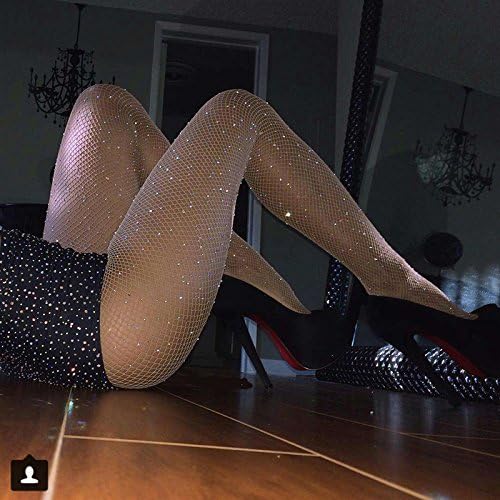
Fishnets (hosiery knitted in a diamond-shaped mesh pattern — literally, a net for your legs) show up in some of Marilyn Monroe’s most iconic photographic work, and they punch well above their price in transforming a costume. The distinction that matters for a Marilyn look is mesh size and embellishment.
Plain black fishnets in a medium mesh (roughly 6–10mm diamond openings) read as a clean, versatile base. These work for the sultry cabaret-style Marilyn references and pair well with a shorter hem. Reviewers across Amazon’s hosiery category consistently rate medium-mesh styles from brands like Music Legs and Dreamgirl as the most costume-durable option in the $8–$14 range, noting that smaller micro-mesh tends to snag on rhinestone jewelry faster.
Rhinestone fishnets — which have small gemstones (usually plastic rhinestones, not crystal) sewn or glued along the seam lines or scattered across the mesh — are a different beast. They photograph exceptionally well, particularly under warm party lighting or stage spotlights. Hollywood Reporter’s coverage of costume design for Marilyn-adjacent productions notes that embellished hosiery was a recurring period detail in Golden Age Hollywood styling. At the $15–$30 price point, rhinestone fishnets from brands like Escante and Music Legs give you that shimmer effect without any sewing required.
The tradeoff to name explicitly: rhinestone fishnets are fragile compared to plain mesh. Owners report that the adhesive-set stones begin loosening after two to three wears, especially if the garment is hand-washed. If this is a one-night costume, that’s a non-issue. If you’re a tribute artist or burlesque performer using this piece across a 10-show run, you’re better off sourcing performance-grade rhinestone hosiery through a dancewear specialist like Theatricals or Capezio, where stones are typically sewn rather than glued.
By the numbers:
- Plain fishnets, costume grade: $6–$14
- Rhinestone fishnets, costume grade: $15–$30
- Performance rhinestone hosiery, dancewear grade: $45–$85
- Expected wears before stone loss (glued stones, per owner reviews): 2–4
Rhinestone and Pearl Jewelry: How to Read a Set Before You Buy
Marilyn Monroe’s jewelry signature splits into two distinct looks, and mixing them up is the most common accessory mistake we see in costume builds.
The “Diamonds Are a Girl’s Best Friend” look (pink column gown, “Happy Birthday Mr. President” references) calls for large-stone rhinestone drop earrings and a statement necklace with a single strand of pavé-set (stones set edge-to-edge so no metal shows between them) rhinestones or a chunky chandelier pendant. This is a maximalist, theatrical look. Vanity Fair’s deep dive into Monroe’s film wardrobe describes the original pieces as deliberately oversized for camera legibility — meaning when you’re recreating the look, bigger actually reads more accurately.
The soft white-dress Marilyn — the Seven Year Itch-era look most Halloween shoppers are building — pairs better with pearl studs or small rhinestone clip-ons and a simple single-strand pearl or rhinestone choker. This is the more wearable, social-setting version of the costume.
When evaluating a jewelry set (sold as a matched earring-and-necklace bundle, the most cost-efficient way to buy), look for these three markers in the product listing:
- Post or clip-on backs — clip-ons are historically accurate for 1950s styling and don’t require pierced ears. Most costume sets default to post earrings; clip-on conversion backs are sold separately for about $3–$8 if needed.
- Silver or silver-tone setting — not gold. Marilyn’s signature pieces were consistently platinum or white-metal settings. Gold-tone reads as a different era entirely.
- Stone size on earrings — for the column-gown look, you want drops that hang at least 2 inches. For the white-dress look, stones at the ear lobe with minimal drop are more period-accurate.
Vogue’s guide to Old Hollywood glamour styling notes that the legibility rule (bigger reads better on camera and at distance) also applies to party environments — if you’re at a large event, you want accessories that read clearly from six feet away. In that context, undersizing is a more common mistake than oversizing.
Our recommendation at each level:
- $15–$30: A bundled rhinestone set from brands like My Costume Wigs or Faship will get you a matching choker and drop earrings in the right scale. Reviewers consistently note good shimmer and acceptable setting quality for a single event.
- $50–$100: Look for Austrian crystal sets (the crystals are leaded glass, meaning higher refractive index — more light return — than standard plastic rhinestones) from costume jewelry specialists. The difference photographs noticeably.
- $150+: Vintage-inspired pieces from independent Etsy sellers working in reproduction 1950s settings. Smithsonian Magazine’s coverage of mid-century costume jewelry identifies prong-set stones (each stone individually held by tiny metal claws) as the authentic period construction. If you’re building a museum-quality recreation, this is the detail that separates authentic from decorative.
Elbow Gloves: Length, Material, and When They Actually Matter
Elbow gloves (formal gloves that extend past the elbow, typically ending at mid-upper arm) are one of those accessories that immediately signals you’ve done your research. They show up in Monroe’s stage work and formal photography consistently enough that Smithsonian Magazine’s retrospective on her image specifically calls them out as a recurring element of her red-carpet appearances.
The length question is the first decision: wrist gloves (ending at the wrist, like formal evening gloves trimmed short) versus elbow-length (ending at the elbow crease) versus opera-length (ending at or above the mid-bicep). For a Marilyn costume, opera-length or elbow-length are both accurate. Wrist-length reads more cocktail than icon.
Material is where the price spread lives:
- Polyester satin, costume grade ($8–$18): Shiny surface, lower drape. Reads well in photos, less so in motion. The most common choice for Halloween builds. Owners note that the sizing runs small — order up one size if possible.
- Stretch velvet ($15–$30): A popular upgrade that reviewers describe as more comfortable and more photogenic than polyester satin under warm lighting. Not historically precise, but the visual effect is excellent for theatrical and party contexts.
- Nylon/spandex blend ($12–$22): The standard for burlesque and stage performance because it holds shape through movement. Practical over beautiful, but durable across multiple uses.
- True satin or silk ($80–$200+): Sourced through bridal and theatrical costume suppliers. Hollywood Reporter’s coverage of period costume work notes that satin gloves were the actual period material — acetate-backed satin for structure, occasionally with a ruched (gathered) texture at the forearm.
The if-then decision: If this is a one-event Halloween costume, the $8–$18 polyester gloves are the right call and you should spend your remaining budget on jewelry. If you’re building a tribute artist kit or a theatrical wardrobe, the nylon/spandex blend gives you the best cost-per-use return based on durability data from dancewear reviewers.
The Beauty Mark and Lip: The Two Details That Cost Almost Nothing
We’d be doing you a disservice if we spent 1,500 words on rhinestones and skipped the two details that most directly signal “Marilyn Monroe” to anyone in the room.
The beauty mark (a small, dark dot drawn or applied above the left upper lip, sometimes called a mouche in vintage beauty references) is achievable one of three ways:
- Eyeliner pencil: Draw a 3–4mm dot with a black or dark brown pencil. Smudge-proof setting spray (a fine mist you apply over makeup to lock it in place) extends wear to 4–6 hours in most conditions, per Vogue’s beauty coverage of long-wear makeup techniques.
- Liquid eyeliner: More precise, longer lasting, slightly harder to control for a soft natural look. Apply with a fine-tipped brush rather than the liner’s own applicator.
- Temporary tattoo beauty marks: Sold in multipacks ($4–$8) and reviewed positively for consistent sizing. The tradeoff is they’re slightly thicker than drawn marks and can lift at edges in humid environments.
The lip in Monroe’s signature look is a full red — closer to a blue-red (think classic red with a slight cool/purple undertone) than an orange-red. Refinery29’s breakdown of Hollywood-era lip shades identifies the cool-toned red as the period-accurate choice for 1950s styling, distinct from the warmer brick-reds associated with the 1940s. Over-lining (drawing slightly outside your natural lip line to create the illusion of fuller lips) was part of Monroe’s actual makeup technique, as documented in coverage by both Vogue and Allure’s archival beauty reporting.
The practical note: A long-wear matte red in a blue-red tone, applied with a lip brush and set with a light dusting of translucent powder, will hold through 3–4 hours of a party. That’s the finishing move that makes everything else land.
Putting It All Together: The Decision Matrix
Here’s the clear version of everything above:
| Budget | Hosiery | Jewelry | Gloves | Beauty mark |
|---|---|---|---|---|
| Under $50 total | Medium-mesh plain fishnets | Bundled rhinestone set | Polyester satin, elbow-length | Eyeliner pencil + setting spray |
| $50–$150 | Rhinestone fishnets | Austrian crystal set | Stretch velvet or nylon blend | Temporary tattoo marks |
| $150–$400+ | Performance rhinestone hosiery | Vintage-reproduction prong-set pieces | True satin or silk, custom fit | Professional makeup artist application |
The if-then rule: If you’re building this costume once for a single event, put your money into jewelry (it photographs the best and reads the fastest) and spend the minimum on hosiery. If you’re building a performance wardrobe you’ll use more than four times, reverse that — invest in durable hosiery and gloves, because those are the pieces that wear out fastest and get replaced most expensively at the last minute.
The dress and the wig get you to the room. The rhinestones, the gloves, the red lip, and the tiny dot above your lip are what make people say oh — that’s Marilyn.